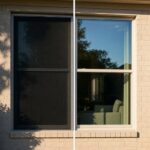
If you are trying to reduce heat, glare, and energy costs in a Texas home, you have two primary options to consider: window film and exterior solar screens. Both reduce solar gain, but they work differently, cost differently, and suit different situations. This guide breaks down the real differences so you can make an informed decision for your home.
How Window Film Works
Window film is a thin laminate applied directly to the interior surface of your existing glass. It works by reflecting or absorbing solar radiation before it passes through the glass into your home. High-quality residential window films can reject a significant portion of solar heat and filter UV rays that fade furniture, flooring, and artwork.
Film is essentially invisible once installed. From the outside, it typically gives windows a slightly reflective or tinted appearance depending on the product type. From the inside, you retain your view, and in most cases the change in visible light is modest rather than dramatic. Ceramic films, in particular, offer strong heat rejection with minimal tinting.
The benefits of window film include:
- Year-round heat and UV rejection without blocking your view or natural light significantly
- Can be applied to existing windows without exterior modifications
- Works on virtually any window type, including casements, picture windows, and sliding glass doors
- Provides some security film options that also reinforce the glass against impact
- Generally lower profile and aesthetically neutral for neighborhood HOA situations
For a deeper look at residential window film options in the Houston area, Texan Glass’s window film services cover a range of products for homes and commercial spaces.
How Solar Screens Work
Solar screens are exterior screens made from a tightly woven mesh fabric, typically installed in a frame that replaces or overlaps your standard window screen. Because they sit outside the glass, they intercept solar radiation before it ever reaches the window, which is fundamentally more effective at reducing heat gain than film applied to the inside surface.
The tradeoff with solar screens is visibility and aesthetics. The denser the weave, the more heat they block, but the darker your view becomes from inside. A common weave density used in Texas, around 80 to 90 percent openness, provides strong heat rejection while still allowing reasonable visibility and natural light. Higher-density screens that block more heat make the interior noticeably darker.
Solar screens work best in Texas on west-facing and south-facing windows, where afternoon sun is most intense. They do not require any modification to your glass and can be installed, removed, or replaced without touching the windows themselves.
For homes that also have outdoor living spaces that need shade control, retractable shade options are worth exploring as a complement. Motorized shades in Houston can extend the same comfort to patios and pergolas.
Head-to-Head Comparison: Film vs. Solar Screens for Texas Homes
Here is how the two options compare on the dimensions that matter most to Texas homeowners:
Heat rejection: Solar screens have an edge for raw heat blocking on sun-facing windows because they stop solar radiation before it reaches the glass. Window film is highly effective but works with heat that has already reached the glass surface.
Visibility and light: Window film preserves more of your view and natural light with less visual impact. Solar screens reduce incoming light and visibility, though higher-quality screens minimize this.
Installation complexity: Window film requires professional installation to avoid bubbles and edge failures on large panes. Solar screens are simpler to install and replace.
Aesthetics: Window film is less visible and more HOA-friendly in most cases. Solar screens are more visible from the street but accepted in many Texas neighborhoods.
Cost over time: Both are durable investments. Film can be expected to last many years with normal use. Solar screens can be replaced individually if damaged, which makes long-term maintenance simpler.
Applicability: Film can go on virtually any window. Solar screens are less practical for casement or awning windows that open outward and certain decorative window styles.
Which One Is Right for Your Texas Home?
For most Texas homes dealing with intense afternoon heat from west-facing windows, the most aggressive heat reduction comes from solar screens on those specific windows. For whole-house UV protection, preservation of natural light, and a cleaner aesthetic, window film is often the preferred choice.
The right answer also depends on your home’s window configuration, your HOA rules if applicable, your budget, and whether aesthetics or maximum performance is the higher priority. Many homeowners in Texas choose to combine both: solar screens on the most sun-exposed windows and film on the rest for a balanced approach.
Ready to Reduce Your Texas Summer Heat Bills?
For window film solutions in the Houston area, visit texanglass.com to explore your options. For exterior solar screens and retractable shade systems for both windows and outdoor spaces, check out texanoutdoorshades.com, the outdoor shade division serving the greater Houston area. A free consultation can help you figure out the best combination for your specific home.